Keratosis Pilaris Treatment
in Calgary

What Is Keratosis Pilaris ("Chicken Skin")?

Those tiny, rough bumps on your upper arms, thighs, or cheeks — often called “chicken skin” — are keratosis pilaris, or KP. It happens when keratin, a natural skin protein, builds up and plugs the hair follicles. KP is harmless, extremely common, and mostly genetic. It also can’t be cured — but it responds well to consistent, professional exfoliation and hydration, which can leave the skin looking and feeling noticeably smoother.

Why Scrubbing Harder Doesn't Work

The instinct with KP is to scrub the bumps away — but aggressive scrubbing irritates the follicles and can make the skin look redder and rougher. What works better is chemical exfoliation: gentle acids that dissolve the keratin plugs instead of sanding at them, paired with real hydration so the skin stays soft between treatments. Consistency beats intensity every time with KP — a steady routine outperforms any single aggressive session.

Quick Facts About KP

Extremely Common

KP is one of the most common skin conditions there is — you’re in very normal company.

It's Genetic

KP tends to run in families. It’s not caused by poor hygiene or anything you did wrong.

Not Contagious

KP can’t spread to other people or other parts of your body — it’s simply how your follicles behave.

Worse in Winter

Dry air makes KP more noticeable — something Calgary winters are famously good at.

Often Eases with Age

For many people KP gradually improves over the years, especially with consistent care.

How We Manage KP at Ageless Esthetics
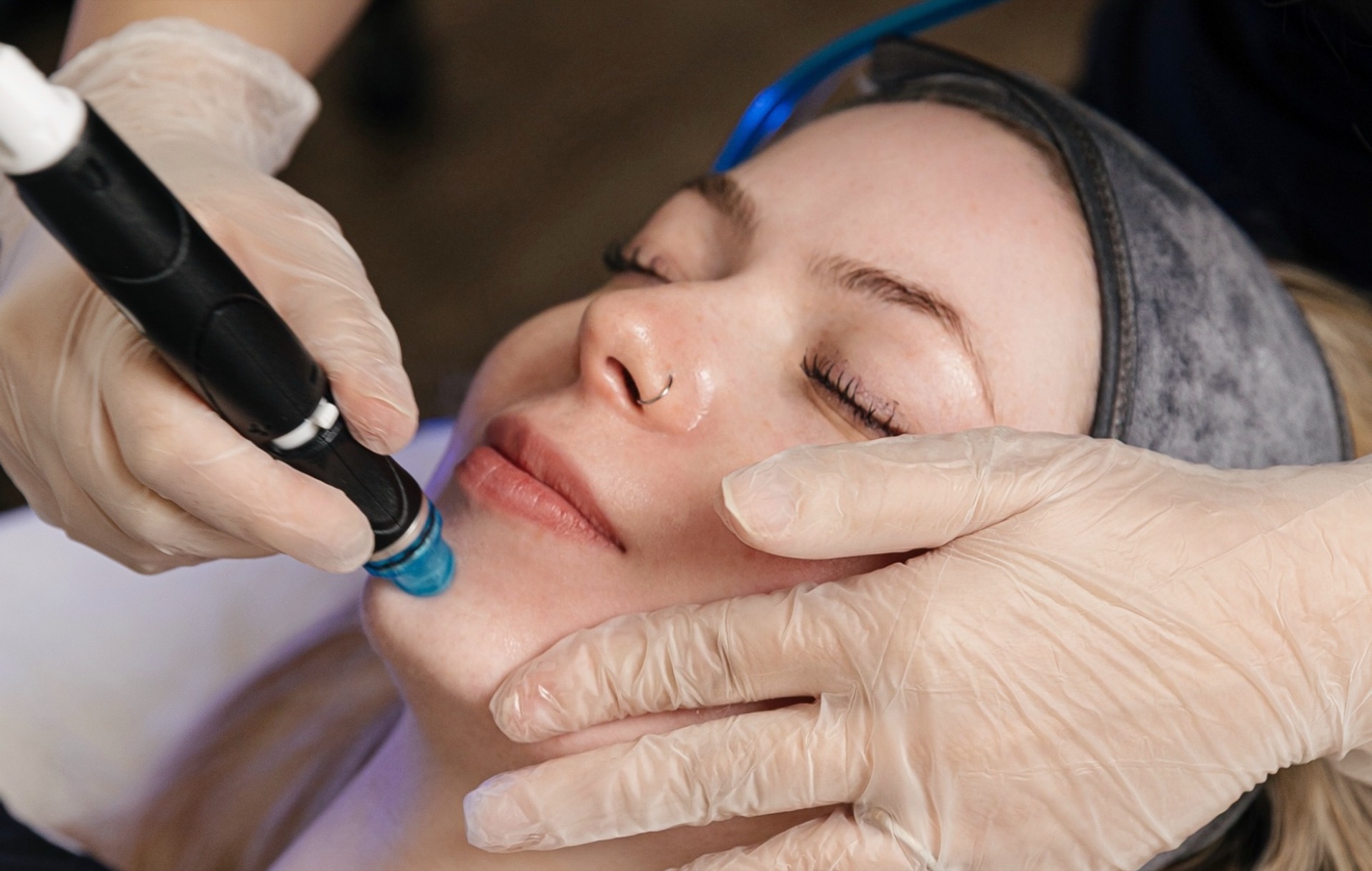
HydraFacial treatment closeup at Ageless Esthetics Calgary

Managed, Not Cured — and That's Okay

We won’t promise to cure your KP, because nothing can — it’s a genetic trait, not a disease. What a licensed esthetician can do is manage it well: professional chemical exfoliation to soften the look of the bumps, hydration to keep the skin comfortable, and a simple home routine that maintains the result between visits. If your bumps are inflamed, itchy, or you’re unsure they’re actually KP, we’ll recommend seeing your physician first — a correct diagnosis always comes before treatment.

If rough, bumpy texture goes beyond KP, explore our skin texture treatment in Calgary.

Rated 5.0 ★ — 118 Google Reviews

Frequently Asked Questions

KP happens when keratin — a protein your skin produces naturally — builds up inside hair follicles and forms tiny plugs, which you feel as rough little bumps. It’s largely genetic: if a parent has it, there’s a good chance you will too. It isn’t caused by poor hygiene, diet, or anything you’re doing wrong, and it’s completely harmless. Dry skin makes it look and feel worse, which is why it often flares in winter.
No — and any clinic promising a cure is overpromising. KP is a genetic trait, so your follicles will always tend to produce those keratin plugs. The realistic goal is management: regular professional exfoliation to smooth the look and feel of the bumps, hydration to keep the skin soft, and a simple home routine to hold the result. Managed consistently, KP-prone skin can look dramatically smoother — it just needs upkeep rather than a one-time fix.
Chemical peels with gentle acids like lactic or glycolic help dissolve the keratin plugs and smooth the skin’s texture over a series of sessions. Our professional exfoliation treatments pair that with hydration in a single relaxing visit. For KP on the face — usually the cheeks — a HydraFacial gently exfoliates and infuses moisture without irritation. At your free consultation we’ll look at where your KP shows up and build the right combination.
Many clients feel a difference after their first or second treatment — KP responds fairly quickly to proper chemical exfoliation. Visible smoothing usually builds over three to six sessions, spaced a few weeks apart, supported by a simple home routine. The honest catch: KP comes back when care stops, because the tendency is genetic. Most people settle into an easy maintenance rhythm — an occasional treatment plus consistent home care — to keep skin smooth year-round.
Yes. Facial KP — usually small rough bumps across the cheeks — needs a gentler approach than body KP, since facial skin is thinner and more reactive. We lean on mild chemical exfoliation and hydration-focused treatments like the HydraFacial rather than anything abrasive. If the redness on your cheeks looks more like rosacea than KP, we’ll say so at your consultation and suggest the right path, including a physician’s opinion if it’s unclear.
Three habits do most of the work: a gentle chemical exfoliant a few times a week, a rich moisturizer applied while skin is still damp, and resisting the urge to scrub or pick at the bumps. Long, very hot showers strip the skin and make KP look worse — especially in dry Calgary winters. We’ll recommend specific products at your visit, matched to how your skin is responding to treatment.

Smoother Skin Starts with a Conversation